
ASH Information
June 28, 2026
Is It Really Sciatica? The SI Joint Could Be the Source of Your Pain
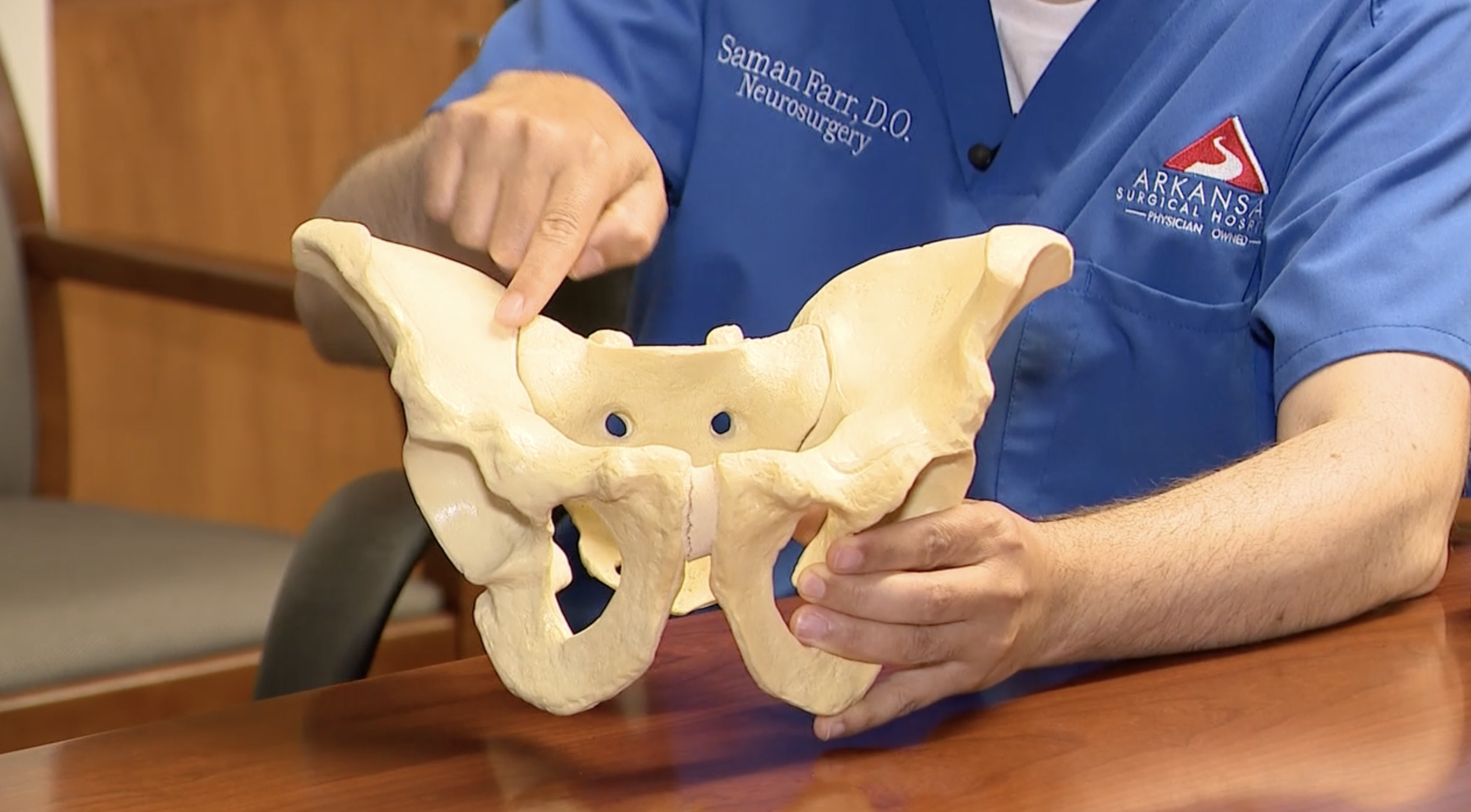
If you're experiencing pain in your lower back, buttocks, hips, or legs, you may assume you're suffering from sciatica. While sciatica is a common cause of these symptoms, it isn't the only possibility. In fact, many patients who believe they have sciatica are actually dealing with a condition called sacroiliac (SI) joint dysfunction.
SI joint pain is frequently overlooked because it can closely mimic the symptoms of sciatica.
What is the SI Joint?
The sacroiliac joints connect the base of your spine to your pelvis. You have one SI joint on each side of your body.
These joints play an important role in transferring weight between your upper body and lower body. Although they don't move much, they absorb significant stress throughout the day when standing, walking, lifting, or exercising.
When the SI joint becomes inflamed or unstable, it can cause significant pain and discomfort.
SI Joint Pain vs. Sciatica
Sciatica occurs when the sciatic nerve becomes irritated or compressed, often due to a herniated disc, spinal stenosis, or other spinal condition.
SI joint dysfunction can produce many of the same symptoms, including:
- Lower back pain
- Buttock pain
- Hip pain
- Pain that radiates down the leg
- Pain when standing or walking
- Difficulty sitting for long periods
Because the symptoms are so similar, many patients assume they have sciatica when the SI joint is actually responsible.
Signs Your Pain May Be Coming from the SI Joint
While every patient is different, several clues may suggest the SI joint is the source of your discomfort.
Common symptoms of SI joint dysfunction include:
- Pain concentrated on one side of the lower back
- Pain near the dimple area of the lower back
- Pain that worsens when transitioning from sitting to standing
- Pain while climbing stairs
- Pain when standing on one leg
- Tenderness over the SI joint
Unlike some forms of sciatica, SI joint pain often does not extend all the way into the foot.
Why an Accurate Diagnosis Matters
One of the biggest challenges in treating lower back and leg pain is determining the true source of the symptoms.
Patients may spend months trying treatments that aren't effective simply because the wrong diagnosis was made.
Proper diagnosis allows physicians to create a treatment plan that targets the actual source of pain.
Treatment Options for SI Joint Dysfunction
Treatment depends on the severity of symptoms and the underlying cause.
Many patients find relief with conservative treatments such as:
- Physical therapy
- Anti-inflammatory medications
- Activity modification
- SI joint injections
For patients whose symptoms do not improve with non-surgical care, additional treatment options may be considered.
When Should You See a Spine Specialist?
If you've been experiencing persistent lower back, buttock, hip, or leg pain that isn't improving, it may be time for a specialist evaluation.
Many patients are surprised to learn their symptoms are not actually caused by sciatica but by SI joint dysfunction or another condition entirely.
If you're experiencing symptoms that may be related to sciatica or SI joint dysfunction, our team can help determine the cause and develop a personalized treatment plan. To learn more or schedule an appointment, visit https://arksurgicalhospital.com/request-an-appointment/
