
Spine Surgery
Which Pain Management Procedure Could Help Relieve Your Chronic Back Pain?

Learn different ways you can safely and effectively treat your chronic back pain and enhance your mental and physical health. It is estimated that 80 percent of people will experience some form of back pain during their lives, and chronic back pain can become a serious issue for many patients. Chronic back pain is sometimes the result…
Read MoreEveryday Habits That Are Causing Your Back Pain

Back pain is not always caused by injury or illness. There could be several normal daily habits causing your back pain that you can adjust or eliminate to give you relief. From bending over to standing up, your back helps you perform countless movements on a regular basis. Constant use can result in the deterioration…
Read MoreHow to Tell the Difference Between Herniated Discs, Pinched Nerves, and Bone Spurs

Diagnosing spine conditions can be more difficult when conditions like herniated discs, pinched nerves, and bone spurs share symptoms. Herniated discs, pinched nerves, and bone spurs are all spine conditions that can cause chronic back pain. Oftentimes, these conditions have similar symptoms, making them difficult to diagnose without the help of a neurosurgeon. Prepare for…
Read MoreThe Surprising Cause of Your Chronic Neck Pain

Millions of smartphone users in America spend more than three hours a day looking down at their phones. The strain that dropping your head forward puts on your neck is the equivalent of adding 60 pounds of weight to your neck—about the size of an eight-year-old child. As the use of wireless devices has become…
Read MoreAre Chronic Back Problems Causing Your Leg Pain and Numbness?

Eight out of ten adults suffer leg pain or discomfort caused by back problems at some point in their lives. The causes of chronic back pain vary, but persistent back problems may stem from poor posture, injury, overexertion or lack of exercise, or degenerative conditions like osteoarthritis. Diagnosis and treatment of back problems are sometimes…
Read MoreDoes Your Spondylolisthesis Require Spine Surgery?

Treatment for spondylolisthesis typically involves physical therapy, pain medication, and other nonsurgical options. However, in some cases spinal fusion surgery can offer a more effective solution for your severe, ongoing back pain. Spondylolisthesis occurs when a vertebrae (or spinal bone) moves out of position and rests on the bone below it, placing pressure on one or…
Read MoreCan Epidural Injections Lessen the Pain of Your Spinal Stenosis?

Millions of Americans suffer from back and neck pain. If you suffer from chronic back pain caused by spinal stenosis, epidural injections may help relieve your pain. Spinal stenosis occurs when joints in the spinal canal grow larger, narrowing the space between cervical disks and placing pressure on the spine. Stenosis typically occurs in the neck or lumbar…
Read MoreWhat to Do After you are Diagnosed with Spine Tumors
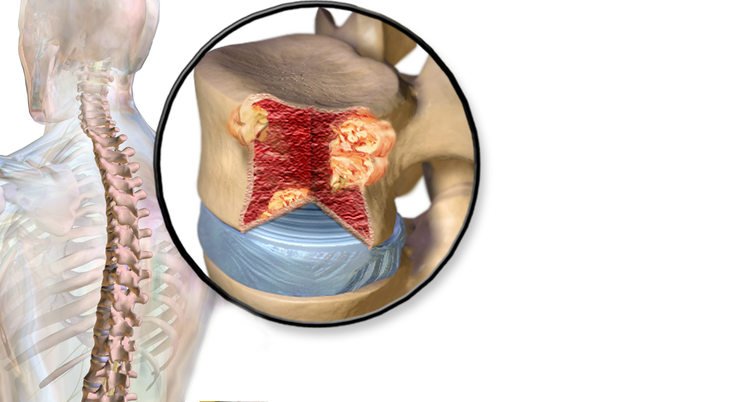
About 10,000 Americans develop primary or metastatic spinal tumors every year. Although spinal tumors can affect anyone, they are most common in young and middle-aged adults. Spine tumors are abnormal growths of tissue found in and around the spine. Once your spinal tumor symptoms are diagnosed, you will work with your doctor and treatment team…
Read MoreWhat You Need to Know About Recovering From Spine Surgery

When non-surgical, chronic back pain treatment has failed, surgery may be the logical next step. For your spine surgery to be a success, it is important to prepare you and your home for the recovery process. Your doctor should provide you with complete recovery instructions, but knowing what you will need post-surgery helps you to be an…
Read MoreSurgical Options for Treating the Painful Side Effects of a Herniated Disc

More than three million Americans suffer from a herniated disc in their back each year. Surgical options are often the optimal solution for treating extreme pain associated with a ruptured or herniated disc. The painful side effects of a herniated disc in the spine are usually the result of age-related wear and tear or degeneration in the spinal…
Read More